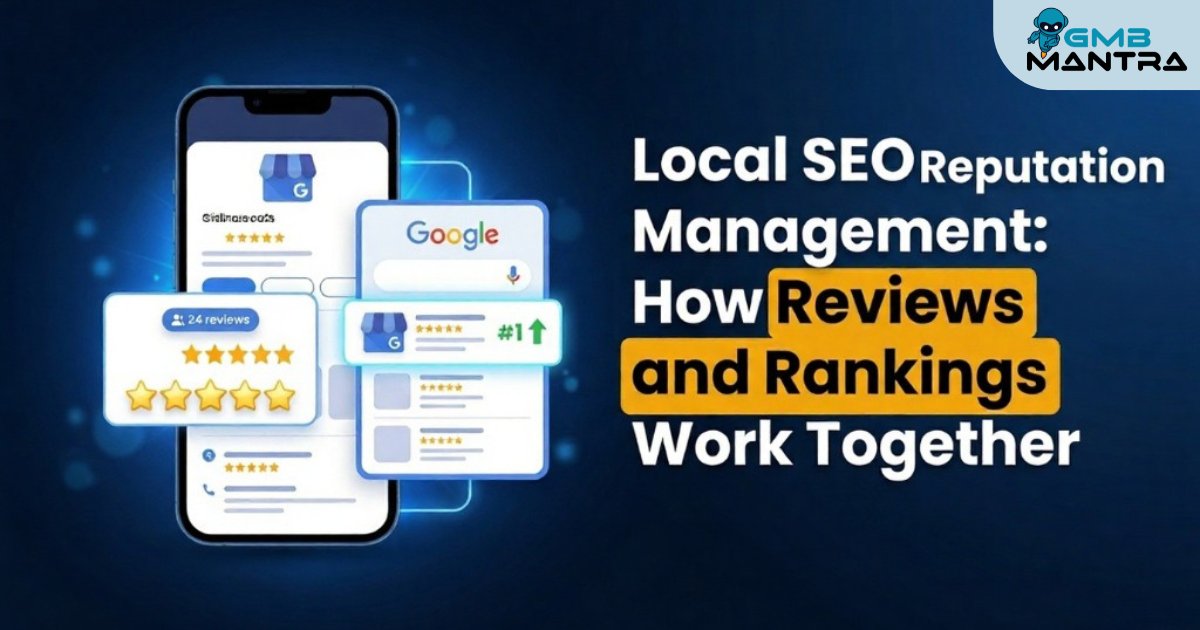
Local SEO Reputation Management: How Reviews and Rankings Work Together
I was staring at a client's Google Business Profile last month—47 reviews, a solid 4.6 star rating—and their Local Pack visibility had dropped for the third consecutive week. The rank tracking data told one story, but the reviews told another. Turns out, they'd gotten 30 of those 47 reviews in a single 10-day window. Classic review spike. The algorithm didn't reward them; it punished them.
That's the thing about local SEO reputation management nobody tells you upfront: reviews and rankings aren't just connected—they're in a feedback loop that can spiral up or down depending on how you manage the signals.
By the end of this guide, you'll know exactly how to build a review strategy that directly feeds your local rankings, spot the ghost errors that silently tank your visibility, and set up a performance dashboard that keeps everything on track.
Before You Start: The Pre-Flight Check
You need four things locked down before any of this matters:
- A verified, fully optimized GBP (categories, hours, photos, services—all of it)
- NAP consistency across your top 20 citations. If your address differs between Yelp and your GBP, stop here and fix that first
- Access to local SEO tools for rank tracking and citation management
- A baseline: your current star rating, review count, and average Local Pack position
Stop/Go test: Can you state your current star rating, review count, and average map position without checking? If not, you're flying blind—go pull that data now.
Phase 1: Understand the Review-Ranking Feedback Loop
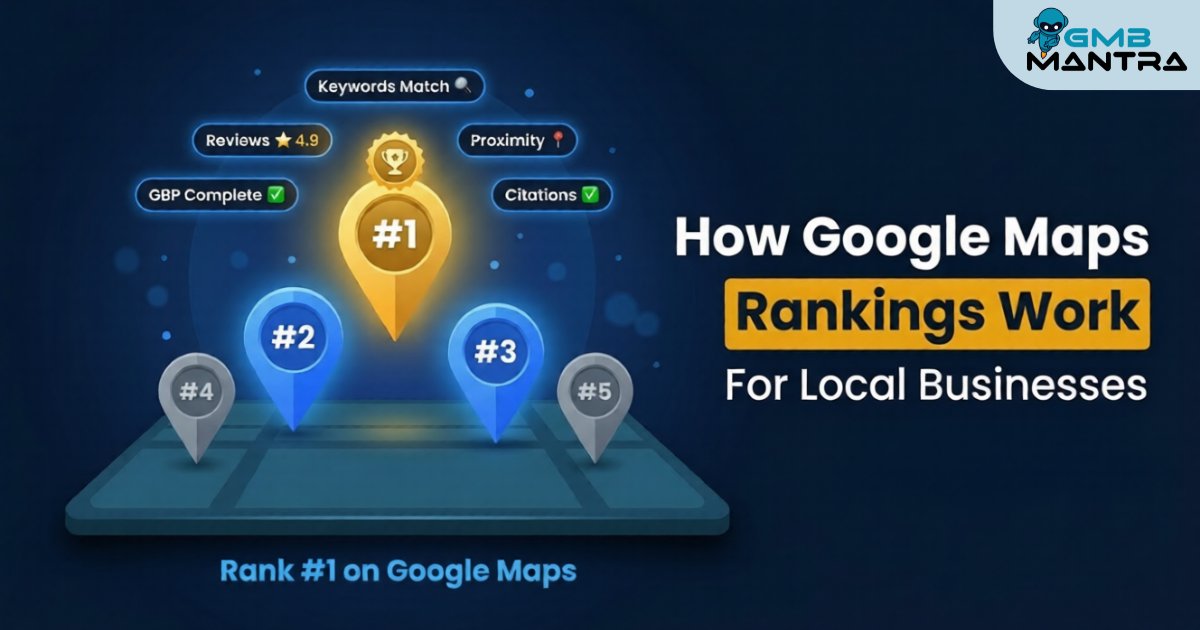
Here's what's actually happening under the hood. Google's local algorithm weighs three factors: relevance, distance, and prominence. Reviews feed directly into prominence—and they're arguably the most controllable prominence signal you have.
96% of consumers read reviews before choosing a local business. That stat matters not because it's about consumer behavior (though it is), but because Google knows this. High star ratings spike CTR signals from map results. More clicks, more direction requests, more calls—those behavioral signals loop right back into rankings.
What you should see: Search your primary service keyword in incognito. If you're in the top 3 Local Pack results with a 4.5+ star average and 50+ reviews, your loop is working. If not, the next phases are where you fix it.
Verification: Run a competitor analysis on the top 3 map results for your keyword. Note their review count, star rating, and most recent review date. That's your benchmark.
Friction warning: Businesses below 4.0 stars face severe ranking penalties regardless of other optimizations. If you're under 4.0, fixing that is priority one—before citations, before posts, before anything.
Phase 2: Build Review Velocity Without Triggering Flags
Review velocity is the rhythm of incoming reviews over time. Google's recency bias means a profile with 200 reviews but nothing in 90 days will lose ground to a competitor with 60 reviews and 5 fresh ones this month.
Here's the execution:
- Set up post-service review requests via email or SMS within 24 hours of service completion
- Space requests so you're generating 5-10 reviews per month—steady, not spiky
- Prompt customers on specific services. Instead of "leave us a review," try "we'd love to hear about your experience with [specific service]." This drives keyword injection naturally
- Track your review velocity weekly through your analytics & insights dashboard
What you should see: A steady upward review count ticker in your GBP dashboard, with new reviews appearing every 5-7 days. No gaps longer than two weeks.
Verification: Check your last 10 reviews. Are at least 7 from the past 60 days? Do 70% mention a specific service? If yes, your velocity and relevance signals are healthy.
The nuance here—and I've seen this trip up even experienced practitioners—is that review diversity matters too. Don't funnel everything exclusively to GBP. Reviews on Yelp, Facebook, and industry-specific platforms create off-site signals that reinforce your overall prominence.
Phase 3: Respond Strategically (Not Just Politely)
Responding to reviews isn't about being nice. It's about feeding the algorithm. Every response is an opportunity to reinforce keyword relevance, demonstrate EEAT alignment, and generate engagement signals.
The protocol:
- Respond to 100% of reviews—positive and negative—within 48 hours
- In positive responses, naturally reference the service and location (not stuffing, just context)
- For negative reviews, address the specific issue publicly, then take resolution offline
- Use sentiment analysis to identify patterns across locations or service categories
What you should see: A "Replies to reviews" indicator on your profile. In your growth insights, you should notice direction requests and calls trending upward within 4-6 weeks of consistent response activity.
Verification: Audit your last 20 review responses. Are they personalized, or are you copy-pasting the same "Thank you for your kind words!" template? Google's algorithm can tell the difference—and honestly, so can your customers.
> Automate Without Losing the Human Touch > Managing review responses across multiple locations gets overwhelming fast. GMBMantra uses sentiment analysis to generate personalized, context-aware responses instantly—so every reply feels human while your team stays focused on operations. It's become my go-to recommendation for businesses running more than one location.
Phase 4: Monitor, Adjust, Repeat
This is where most businesses drop the ball. They launch a review campaign, see initial results in 4-6 weeks, and then stop paying attention. Full prominence compounding—stable top-3 Local Pack positioning—takes 3-6 months of consistent velocity.
Set up smart alerts for:
- Star rating drops below your threshold
- Review velocity falling below 5/month
- New negative reviews requiring immediate response
- Competitor movement in your tracked keywords
Your performance dashboard should show review trends, ranking correlation, and sentiment patterns in one view. If you're managing multiple locations, cross-analyze reviews to replicate what's working at your top-performing sites. Multi-location sentiment gaps cause 20-30% performance variance per site—that's not a rounding error, that's revenue.
The Ugly Truth: Ghost Errors That Kill Your Rankings
(That third one—the CTR issue—is the sneakiest. I spent weeks troubleshooting a client's stagnant clicks before realizing their reviews were generic while competitors had keyword-rich feedback. Small change, big impact.)
Frequently Asked Questions
How long before reviews actually move my Local Pack ranking?
Expect initial movement in 4-6 weeks with 20+ quality reviews. Stable top-3 positioning takes 3-6 months of consistent review velocity, strategic responses, and steady behavioral signals. There's no shortcut—patterns matter more than volume spikes.
Why do competitors with fewer reviews still outrank me?
Check their recency and response rate. A competitor with 30 recent, keyword-relevant reviews and 100% response coverage will outperform 200 stale, unresponded reviews. Quality and freshness beat raw numbers. Run a competitor analysis through GMBMantra to see exactly where the gaps are.
How do I handle filtered "ghost reviews" that hurt perception?
Ghost reviews—filtered but still partially visible—erode perceived trust. Encourage detailed, natural feedback with specific service mentions. Monitor your GBP regularly for filtered content and maintain consistent review velocity to push fresh, visible reviews to the top.
What's the right number of reviews to request per month?
Aim for 5-10 per month per location. This maintains healthy review velocity without triggering spike detection. Adjust seasonally—if you serve more customers in summer, your review flow should naturally reflect that. Anything that looks unnatural is unnatural to Google.
Can I manage reviews and rank tracking from one place?
Yes. Platforms like GMBMantra combine rank tracking, citation management, review monitoring, and growth insights into a single performance dashboard—with smart alerts that flag issues before they become ranking problems.
So here's what I'd do right now if I were you: pull up your GBP, check your last review date, and count how many you've gotten in the past 30 days. If the answer makes you uncomfortable, that's your starting point.
> Ready to connect your reviews and rankings in one view? > GMBMantra gives you the local SEO tools, analytics, and smart alerts to turn review management into a ranking strategy—not just a reputation exercise.