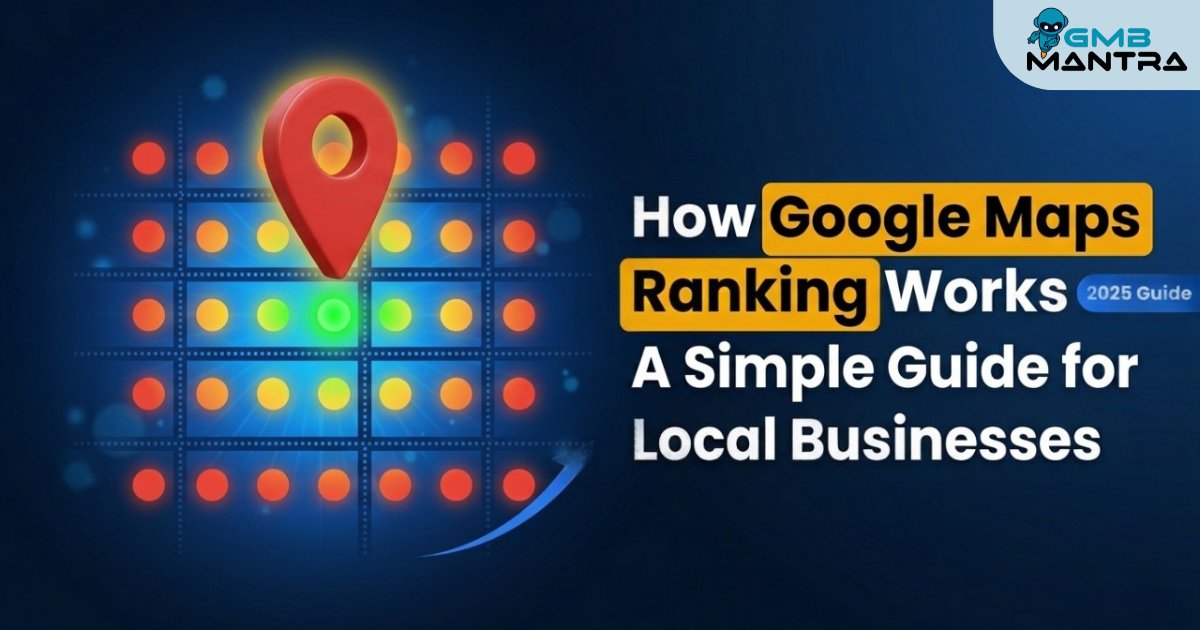
How Google Maps Ranking Works: A Simple Guide for Local Businesses
Last month, I watched a client's plumbing business vanish from the Local Pack overnight. No warning. No Google penalty notification. Just... gone. Three hours of frantic citation management later, I found it: a single phone number mismatch on Apple Maps had triggered an entity conflict that cascaded across their entire local presence. One digit. That's all it took.
I've spent years inside the local SEO trenches, and the pattern is always the same—businesses obsess over the big stuff while "ghost errors" silently destroy their Google Maps ranking. By the end of this guide, you'll know exactly how Google ranks local businesses, what to fix first, and how to build a system that doesn't crumble when the algorithm shifts.
What You Need Before Starting
Before touching your Google Business Profile, lock these down:
- Access to your GBP dashboard with owner-level permissions
- A rank tracking tool that monitors Local Pack positions (not just organic)
- A spreadsheet or citation management platform listing every directory where your business appears
- Your primary keyword + city combination written in one sentence
Stop/Go test: Search your primary keyword + city in an incognito browser right now. If you can't find your business in the top 20 Maps results, you're starting from scratch—and that's fine. But you need to know where you stand.
How Google Actually Decides Your Maps Ranking
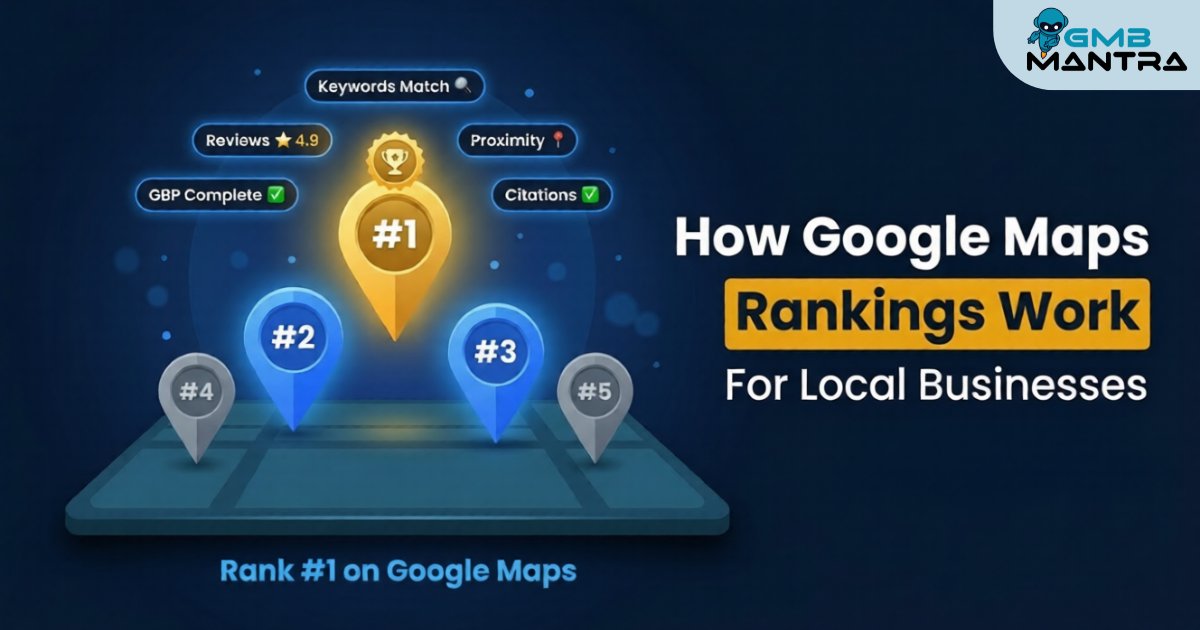
Google's algorithm for Maps relies on three pillars: relevance, proximity, and prominence. Simple enough on paper. Messy in practice.
Here's what the data actually shows: GBP signals account for roughly 32% of Local Pack ranking weight. Reviews carry about 20%. On-page signals from your website contribute 15%. And citation signals? Still 6%, but they cause disproportionate damage when inconsistent.
That last part is what most guides skip over. Let me break down each phase of what actually moves the needle.
Phase 1: Nail Your GBP Profile Completeness
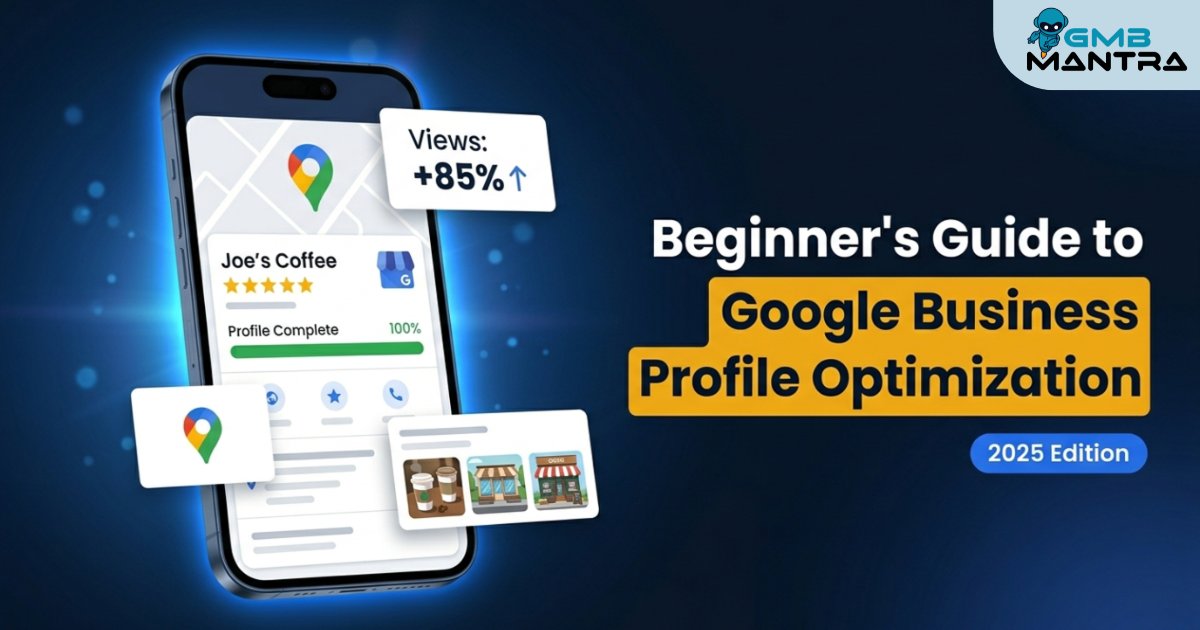
What to do: Log into your GBP dashboard. Fill every single field—primary category, secondary categories, services, products, attributes, business description, and photos. Post at least once weekly. Answer every Q&A.
What you should see: A green completeness indicator showing 100% on your dashboard. Every section filled with no "Add information" prompts remaining.
Verification: Open your profile in Google Maps as a customer would. If any section looks thin or shows placeholder text, it's not done.
The expert nuance here—your primary category selection is the single biggest relevance filter. It determines which searches you're even eligible for before prominence kicks in. I've seen businesses rank for nothing because they picked "Business Consultant" instead of "Marketing Consultant." Specificity wins.
Phase 2: Fix NAP Consistency Across Every Listing
NAP consistency isn't glamorous. It's also not optional.
What to do: Audit your Name, Address, and Phone number across at least 10 major directories—Yelp, Apple Maps, Bing Places, Facebook, Yellow Pages, and industry-specific sites. Every character must match exactly. "St." vs "Street" matters. Suite numbers matter.
What you should see: Identical business information across every platform when you run a citation audit.
Verification: Manually check 5 random citations against your GBP listing. If even one has a mismatch, your competitor analysis should expand to identify all conflicts.
Here's a friction warning from the data: freemium citation tools fail on accuracy about 30% of the time. If you're relying on free scans alone, you're likely missing conflicts that are actively suppressing your rankings.
Phase 3: Build Review Velocity (Not Just Volume)
This is where most businesses get it wrong. They chase a review count number—"We need 100 reviews!"—while ignoring that review velocity matters far more. Two fresh reviews monthly beats 20 stagnant ones from two years ago.
What to do: Set up a systematic post-service review request flow. SMS outperforms email dramatically for response rates. Respond to every single review—positive and negative—within 48 hours. Use response templates as starting frameworks but personalize each reply.
What you should see: A steady upward trend in your review analytics and reporting dashboard. New reviews appearing at consistent intervals, not in suspicious bursts.
Verification: Check your GBP insights weekly. If review count is climbing but behavioral signals (calls, direction requests) stay flat, your responses might be too generic to build trust.
Review management isn't just about stars. It's reputation protection. One unanswered negative review sitting at the top of your profile can tank conversion rates regardless of your Maps position.
Phase 4: Optimize for Behavioral Signals and Openness
Google tracks what users do after finding your listing. Direction requests, phone calls, website clicks—these high-intent actions are proof to Google that your business satisfies search intent.
What to do: Add QR codes at your physical location linking to your GBP for directions. Keep your hours updated religiously, including holidays and special hours. The openness signal is real—businesses open at the time someone searches rank higher for time-sensitive queries.
What you should see: An "Open now" badge on your listing during business hours when you search incognito. Rising direction requests and calls trending upward weekly in GBP Insights.
Verification: Search your business category at different times of day in incognito mode. If competitors show "Open" and you don't, your hours data is wrong.
Over 70% of profiles ignore hours and openness settings. That's free ranking opportunity sitting on the table.
Phase 5: Align Your Website with Your GBP
Your website and GBP profile must tell the same story. When Google sees entity authority mismatches—different services listed, different descriptions, missing schema markup—it loses confidence in your listing.
What to do: Mirror your GBP services and categories exactly on your website. Implement LocalBusiness schema that matches your GBP data point-for-point. Build location-specific content pages if you serve multiple areas.
What you should see: Your website's structured data matching your GBP profile when tested in Google's Rich Results Test tool.
Verification: Cross-check your site schema output against your GBP services list. Any gaps need immediate attention.
> Streamline Your Local SEO Workflow If managing GBP optimization, review responses, and performance tracking across multiple tools sounds exhausting—it is. We built GMBMantra to handle review management with AI-powered sentiment analysis, automated response templates, post scheduling, and keyword heatmaps from a single dashboard. It's the rank tracking and review analytics layer most local businesses are missing.
The Ghost Errors Nobody Talks About
Problem
The Weird Fix
Why It Works
Sudden Local Pack drop
Bulk-verify citations, then force reindex with a GBP post
Posts trigger a fresh crawl that picks up corrected NAP data
Reviews climbing but rank stagnant
Switch from email to SMS review requests
SMS gets 3-4x response rates, boosting velocity
Maps pin drifts to wrong location
Upload a 360-degree photo at your exact entrance
Google uses photo geodata to confirm pin accuracy
Invisible for "near me" queries
Claim Apple Business Connect and Bing Places
Cross-platform presence strengthens entity confidence
Profile buried after category edit
Delete and re-add categories one at a time
Batch changes sometimes trigger review flags
FAQ
How long does it take to rank in the Local Pack?
Initial GBP optimization shows movement in 2-4 weeks. Review velocity compounds over 1-3 months. Competitive markets require 6-12 months for stable top-3 positions. There's no shortcut—but consistent effort compounds faster than most expect.
Why did my ranking drop after updating my GBP profile?
Batch edits to categories or business info can trigger Google's review process. Edit one field at a time and wait 48 hours between changes. Run a competitor analysis to rule out market shifts.
How do I get more Google reviews without violating guidelines?
Automate post-service SMS requests with a direct review link. Never offer incentives. Respond to every review—your response templates should be personalized enough that they don't read like copy-paste jobs. Consistent review management builds momentum naturally.
Does branded search volume affect Maps ranking?
Yes. Rising branded search volume correlates with stronger Local Pack positions because it signals entity authority to Google. Offline marketing that drives name searches has a measurable Maps impact.
What's the AI Visibility Score and should I care?
It measures how often AI platforms like ChatGPT or Perplexity reference your business. As AI-driven search grows, structured data and multi-platform presence determine whether you show up in these new channels.
How do Service Area Businesses rank without a visible address?
SABs can hide addresses per Google's policy without ranking penalties—but only if properly configured. Define your service areas accurately and ensure your local SEO tools reflect SAB-specific optimization strategies.
The businesses winning in local search right now aren't doing anything magical. They're just doing the basics consistently while their competitors let citation data drift, reviews go stale, and hours fall out of sync. Pick one phase from this guide, fix it this week, and track the impact with GMBMantra.