How to Rank Higher on Google Business Profile in 2026
I was staring at a client's GBP Insights dashboard last month—a plumbing company, fully verified, 200+ reviews, every field filled out—and they'd dropped completely out of the local pack overnight. No spam, no suspension, no obvious penalty. Just… gone. It took me two days of auditing citations across 50+ directories before I found the culprit: a single NAP mismatch on an old Yelp listing that had been dormant for three years. One wrong suite number. That's all it took to tank their citation signals in the new AI-driven index.
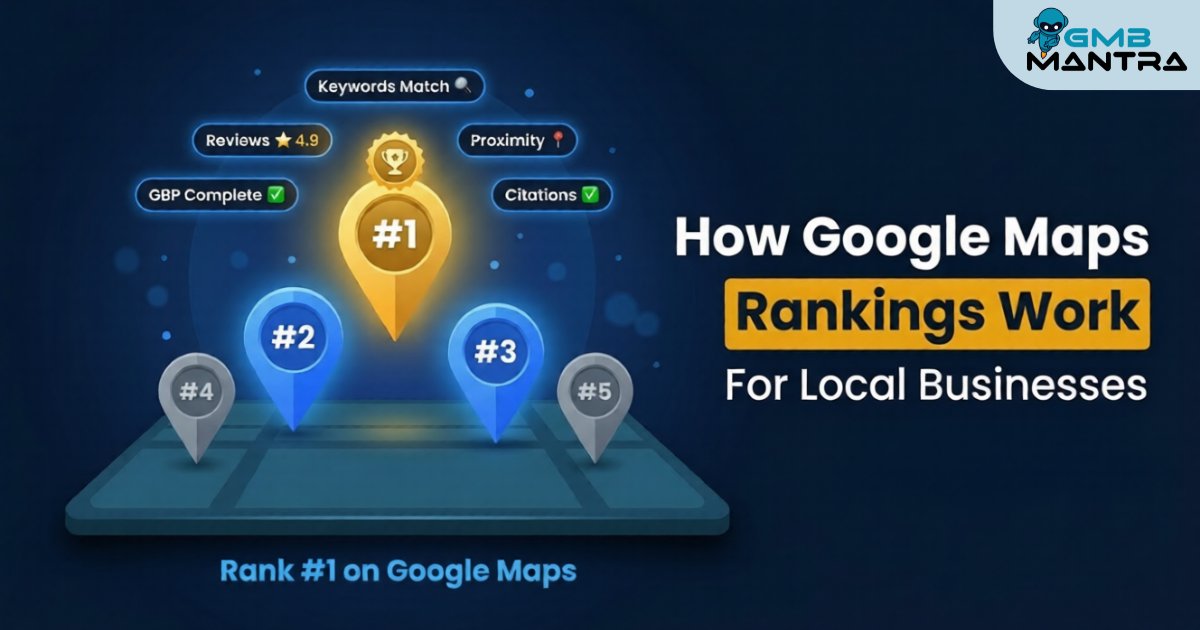
That experience is exactly why I'm writing this. Ranking higher on Google Business Profile in 2026 isn't about checking boxes on a generic optimization checklist anymore. The weight of GBP signals has shifted to 32% of local pack rankings, and the margin for error has shrunk to almost nothing.
Here's my promise: By the end of this guide, you'll have a phase-by-phase execution plan—with verification checks at every step—to push your profile into the local pack and keep it there.
Before You Touch Anything: The Pre-Flight Check
You need four things locked down before optimizing:
- Access to your GBP dashboard with Owner-level permissions (not Manager)
- A NAP spreadsheet documenting your business name, address, and phone across every directory you've ever listed on
- A rank tracking tool so you can measure movement from specific ZIP codes (not just your office location)
- Your primary category hypothesis—the single most specific category that describes what you do
Stop/Go test: Can you name your primary GBP category and confirm it matches the exact service your best customers search for? If not, stop here and figure that out first.
Phase 1: Nail Primary Category Relevance and Listing Completeness
This is where 70% of profiles already fail. Data shows 70%+ of GBP profiles are incomplete, and full listing completeness yields roughly 50% higher rankings. That's not a marginal gain—it's the difference between page one and invisibility.
Do this now:
- Open your GBP dashboard and switch your primary category to the most granular option available. "Roofing Contractor" beats "Construction Company" every single time. Google's matching algorithm rewards specificity.
- Fill out every single field. Every one. Services, products, attributes, business description (use all 750 characters with natural keyword placement), Q&A (seed your own), and special hours for holidays.
- Upload at least 15 high-quality photos—interior, exterior, team, and work-in-progress shots. Geotagged if possible.
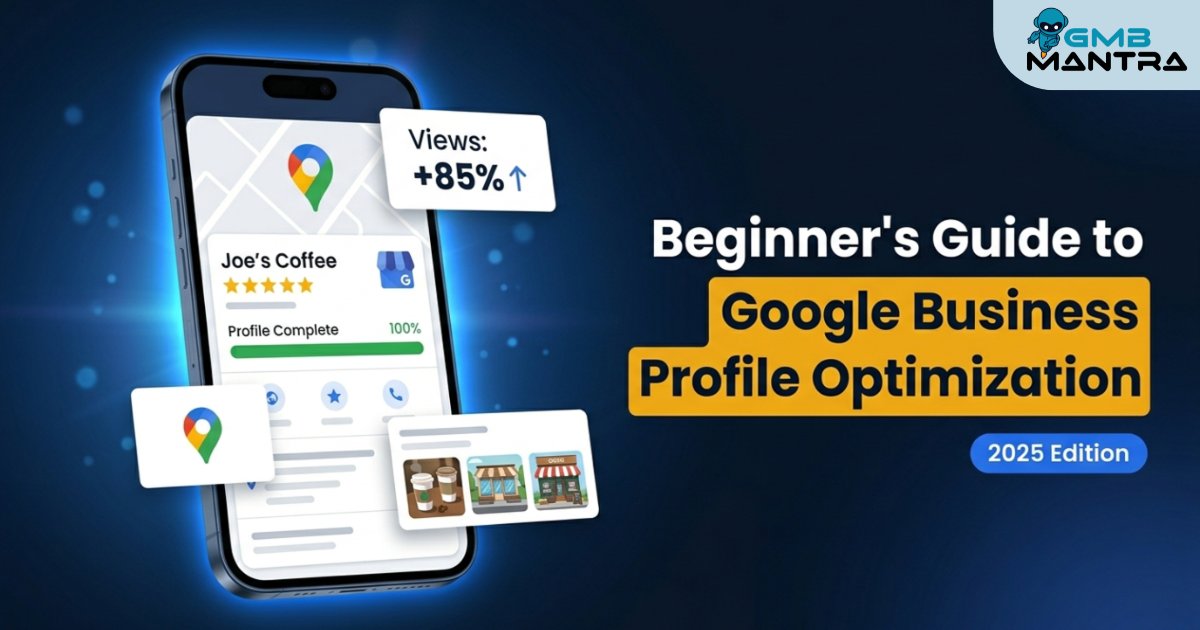
Visual Checkpoint: You should see a 100% completeness indicator on your dashboard. If any section shows a prompt to "Add more info," you're not done.
Verification: Preview your profile in an incognito window. Every attribute, photo, and service should load instantly with zero empty fields.
Here's the nuance most guides skip: business hours accuracy is a hidden ranking factor that kills you on "open now" queries. If your listed hours don't match Google's inferred popular times data, you get filtered out of real-time results. I've seen businesses lose 30% of their Maps visibility just because they forgot to update holiday hours.
Phase 2: Build Review Velocity (Not Just Volume)
Review signals carry about 20% weight in local pack rankings. But here's what the data actually shows—review count doesn't correlate with rankings nearly as much as review velocity does. Consistent new reviews outperform stale high-volume profiles.
Your execution plan:
- Set up a review generation workflow. After every completed job or transaction, send a direct link to your GBP review page within 2 hours.
- Respond to every review—positive and negative—within 24 hours. Use natural language that includes service-related terms. Not keyword-stuffed garbage, just genuine responses that mention what you did.
- Build review diversity across platforms. Reviews on Yelp, industry-specific directories, and other third-party sites feed into Google's sentiment analysis.
Visual Checkpoint: In GBP Insights, your review graph should show a steady upward slope—not spikes followed by flatlines. Aim for 2+ new reviews per week minimum.
Verification: Check your GBP Insights weekly. If behavioral signals (clicks, calls, direction requests) are trending up alongside reviews, you're compounding correctly.
> Spending hours manually responding to reviews and scheduling posts? That's exactly the workflow bottleneck we built GMBMantra to solve. It uses AI-powered sentiment analysis to generate personalized review responses instantly, and lets you schedule GBP posts from a single dashboard—so you can focus on the work that actually generates those reviews.
Phase 3: Lock Down NAP Consistency and Citation Signals
Citation signals account for 6-13% of ranking weight across Maps, organic, and AI results. That percentage sounds small until you realize it's the factor most likely to silently destroy your rankings without warning—like my plumbing client's experience.
Here's the process:
- Audit your NAP across a minimum of 50 directories. Yes, fifty. Use your spreadsheet and check every single one manually, or use a citation management tool to scan for mismatches.
- Fix every inconsistency. Even abbreviation differences matter ("St." vs "Street," "Ste" vs "Suite"). Google's entity signals rely on exact consistency to place you in the knowledge graph.
- Submit to high-authority niche directories specific to your industry. Quality over quantity matters more than ever with AI-amplified citation scrutiny.
Visual Checkpoint: When you search your exact business name in quotes, every result on the first two pages should show identical NAP information.
Verification: Audit 10 random citations after fixes. If even one still has a mismatch, keep going.
Phase 4: Drive Behavioral Signals and Hyperlocal Content
Behavioral signals from clicks, calls, and direction requests carry about 9% weight—and they compound over time. On-page signals with hyperlocal content hit 15-33% weight across Maps, organic, and AI visibility combined.
- Publish hyperlocal content on your website—pages targeting specific neighborhoods, ZIP codes, and local landmarks. Link these pages from your GBP posts.
- Post to your GBP profile weekly. Updates, offers, events—whatever's relevant. Each post should include a hyperlocal keyword naturally.
- Build branded search volume through social media. When people Google your business name directly, that behavioral signal feeds directly into your pack position.
Visual Checkpoint: Your GBP Insights should show direction/call/click graphs trending upward over 30 days. The posts carousel should be active on your profile, not empty.
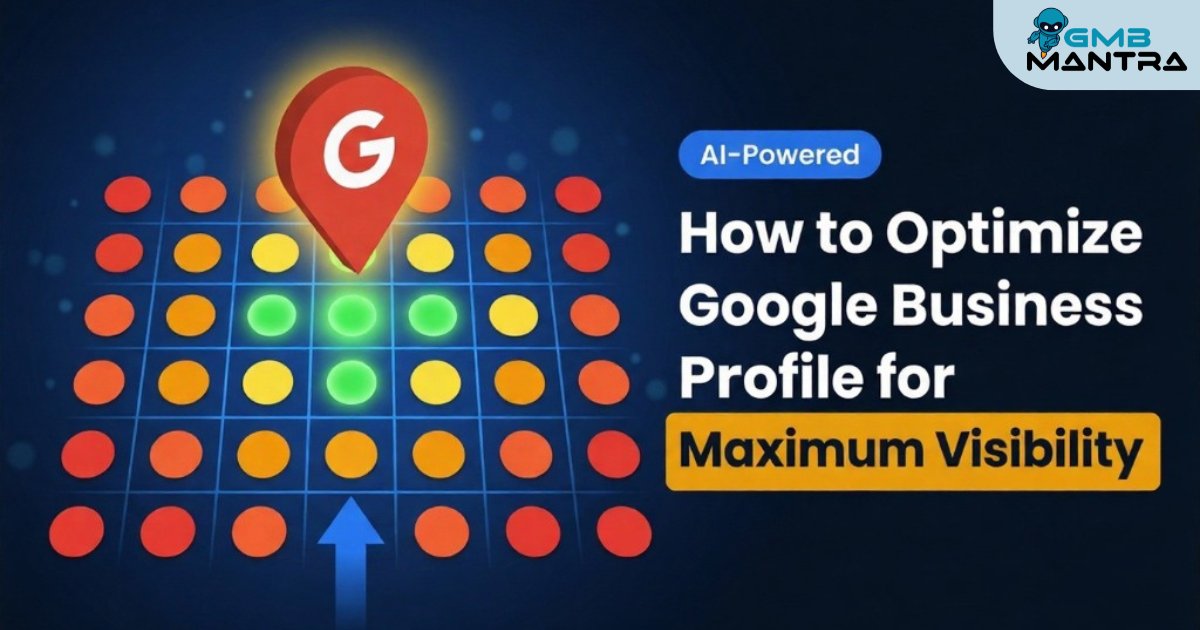
Verification: Search incognito from your target ZIP code. If you're pinned in the top 3 for your primary service keyword, you're winning. If proximity competitors are above you, double down on behavioral signals and content.
The Ugly Truth: Problems Nobody Talks About
Problem | The Weird Fix | Source |
|---|---|---|
Sudden Maps drop despite full optimization | Proximity to searcher trumps everything—re-verify at a closer address for SABs (risks suspension) | Whitespark Local Ranking Factors |
Reviews exist but aren't moving rankings | Low velocity + no diversity—seed reviews via Yelp and niche platforms before pushing GBP | Community forums / practitioner data |
"Open now" filter excludes your business | Hours don't match Google's popular times—manually sync and confirm via frequent posts | GBP practitioner testing |
AI overviews completely skip your profile | Weak entity signals—flood niche directories with exact-match citations before AI crawl cycles | Christopher Seth Palmer SEO |
Proximity to searcher is the one factor you can't optimize around with content alone. If your verified address is far from high-search zones, no amount of review velocity or listing completeness will fully compensate. That's the hard truth.
FAQs
How long does it take to see GBP ranking improvements?
Initial movement from category and completeness fixes happens in 1-4 weeks. Full compounding through reviews and behavioral signals takes 3-6 months. AI overview visibility lags even further—expect 6+ months of consistent signal building before you appear there.
Why did my GBP ranking drop even though my profile is complete?
Proximity mismatch is the most common hidden cause. Run an incognito search from your target ZIP and audit your citations. A single NAP inconsistency or a competitor verifying closer to the searcher can push you down.
How often should I post on Google Business Profile?
Weekly minimum. Posts with hyperlocal keywords keep your profile active in Google's freshness signals. Use a post scheduling tool to stay consistent without burning hours every week.
Does responding to reviews actually affect rankings?
Yes. Keyword-rich, genuine responses feed into Google's behavioral and review signals. Speed matters too—profiles with slow response patterns see measurable drops in visibility.
Can I rank in the local pack outside my immediate area?
Partially. Hyperlocal content targeting adjacent ZIP codes helps, but proximity remains the dominant factor. Competitor analysis tools can show you exactly where your radius breaks down so you can focus content efforts strategically.
What's the single most impactful GBP optimization for 2026?
Primary category relevance combined with review velocity. Get those two right, and every other signal—citations, behavioral, on-page—compounds faster. Run a profile audit to identify which signals are weakest for your specific listing.
> Ready to stop guessing and start tracking what actually moves your rankings?GMBMantra gives you rank tracking by ZIP code, automated review responses, citation monitoring, and competitor analysis—all from one dashboard. It's the system I recommend when clients ask me what to do after the optimization work is done.