Google's Proximity Factor: Why Being the Closest Business Doesn't Always Mean Ranking First
Last month, I ran a ranking grid for a dental clinic sitting literally across the street from the center of a high-volume "dentist near me" search zone. Epicenter ranking? #2. Half a kilometer out? #14. Meanwhile, a practice 3km away was holding steady in the Local 3-Pack across almost every grid cell. The closer clinic had perfect NAP consistency, a verified pin, solid hours—and it was losing to a business three times farther away.
That's the proximity paradox in local SEO, and it trips up businesses of every size.
By the end of this guide, you'll know exactly how to audit why proximity isn't working for you and which signals to stack so distance stops being the deciding factor.
Before You Start: The Pre-Flight Check
You need three things locked down before any of this matters:
- A verified, complete Google Business Profile. If your GBP category doesn't match what people actually search for, proximity is irrelevant.
- Access to a GeoGrid rank tracker. Tools like LocalFalcon or GMBMantra's keyword heatmaps let you see proximity decay in real time. Without one, you're guessing.
- A citation audit from the last 90 days. Stale or mismatched NAP data across directories creates invisible distance penalties that no amount of closeness can fix.
Stop/Go test: Can you pull up your GBP, confirm your primary category, and name the last time you audited your citations? If yes—go. If not, handle that first.
Phase 1: Understand What Google Actually Weighs
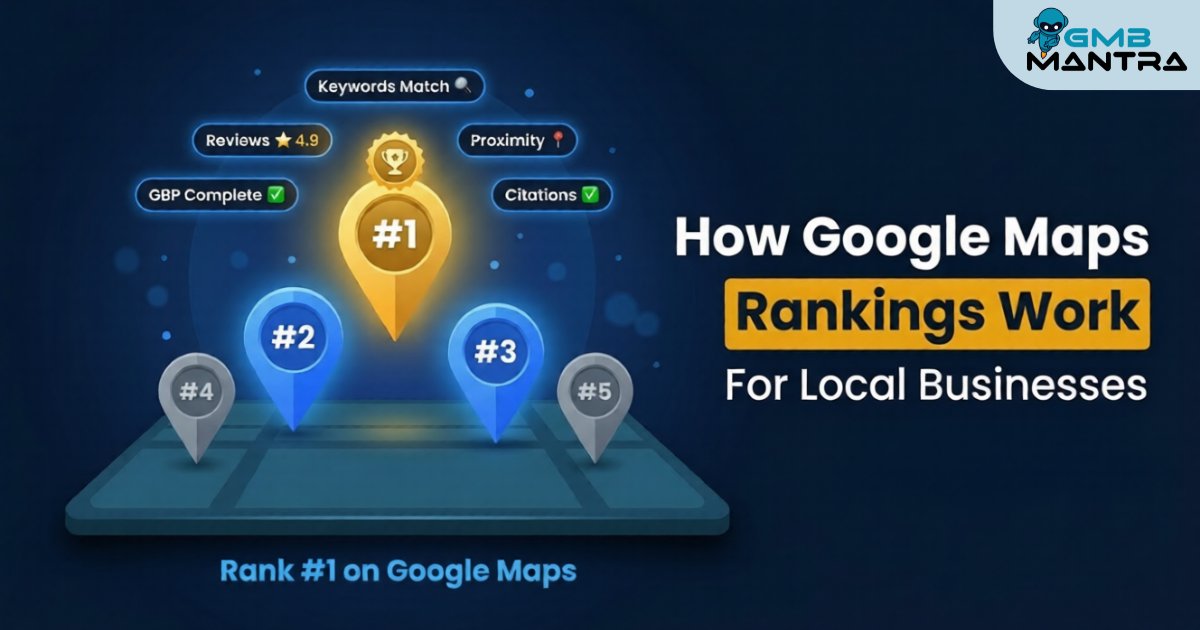
Google's local algorithm runs on three pillars: relevance, proximity, and prominence. Most business owners assume proximity dominates. The data says otherwise.
BrightLocal's ranking factors study puts proximity to searcher at #2 in Local Pack influence—behind primary GBP category alignment. And "proximity to city center" lands at #13. That's not a typo. Your category match matters more than your street address.
What you should see: Pull up your GBP dashboard. Your primary category should mirror the exact language searchers use. If you're a "Mexican Restaurant" but your niche is vegan, and people search "vegan Mexican food," that generic category is bleeding you dry. Swap to hyper-specific secondary categories.
Verification: Search your primary service + "near me" from five different simulated locations using incognito mode. If a farther competitor with better category alignment outranks you in 3+ of those tests, proximity isn't your problem—relevance is.
Here's the thing practitioners don't talk about enough: proximity decay kicks in fast in competitive markets. Grid analysis routinely shows an 80-90% rank drop per kilometer in dense urban areas. So if you're banking on being close, you'd better be close and prominent and relevant. One leg of the tripod isn't enough.
Phase 2: Map Your Actual Proximity Footprint
Stop assuming your visibility radius. Measure it.
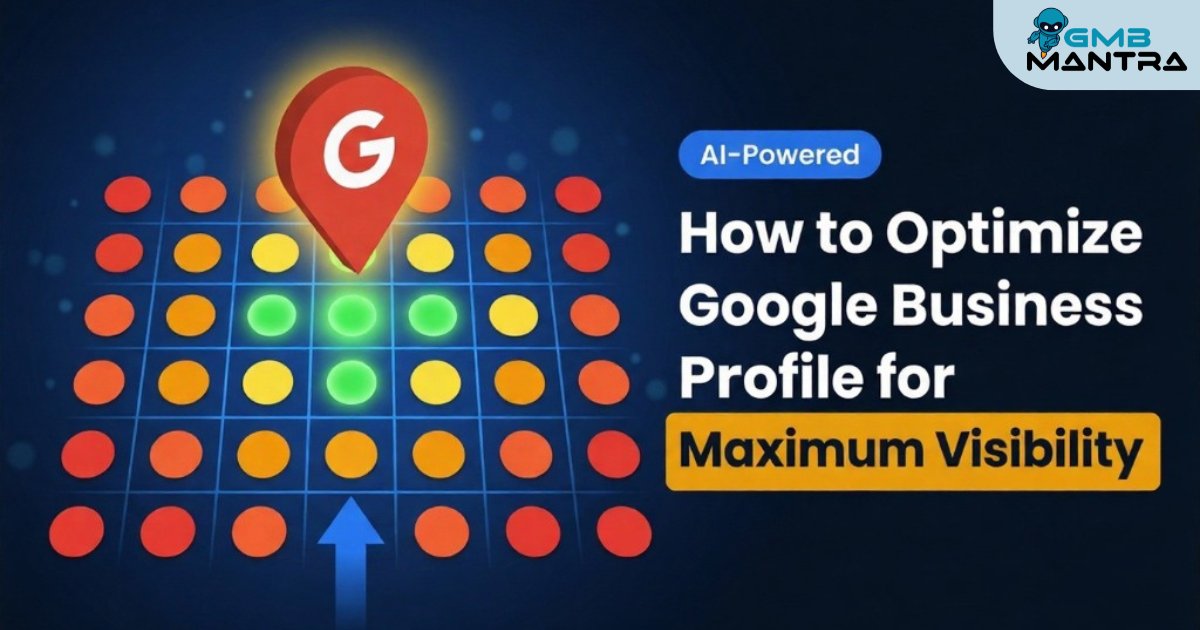
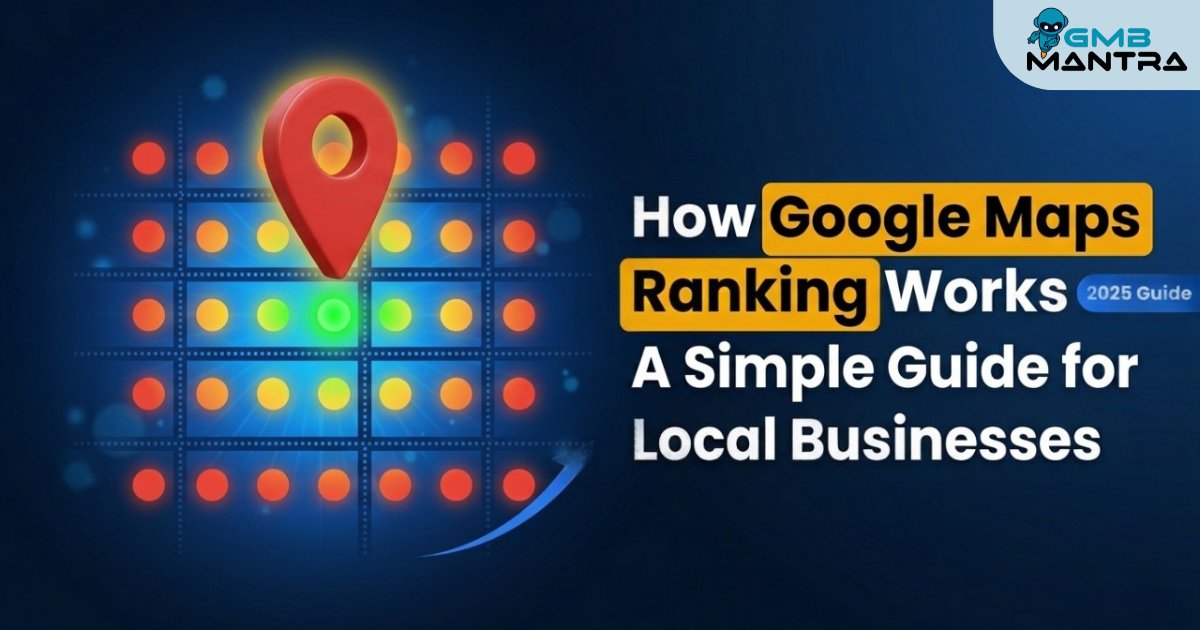
Run a 10x10 ranking grid centered on your GBP pin for your top 3 keywords. What you're looking for: green dots (top 3 rankings) clustered tightly around your pin, fading to orange and red as distance increases.
What healthy looks like: #1-3 in 70% or more of the epicenter cells, with a gradual—not cliff-like—drop-off by 1-2km.
What broken looks like: Strong epicenter ranking but complete invisibility 500 meters out. That pattern screams relevance mismatch or a prominence deficit, not a proximity issue.
Verification: If your grid shows a cliff at 1km, check your competitor's grid. If they hold steady across a wider radius with more reviews and better category alignment, that's a prominence override in action. I've seen businesses with 200+ reviews outrank closer competitors consistently at 3km distance. Reviews are that powerful.
The real friction? 70% of local searches are hyper-local (under 5km), yet closest businesses lose roughly 60% of Pack spots to more prominent or relevant rivals. Proximity alone gets you maybe 20% visibility beyond 2km without other signals backing it up.
Phase 3: Stack the Signals That Override Distance
This is where you stop being a victim of your address and start competing on controllable factors.
Step 1: Fix query modifier alignment. Searcher intent overrides raw proximity constantly. When someone searches "open now coffee shop," Google ignores the closest café if its hours aren't synced in real time. When someone adds "downtown" as a query modifier, suburban locations get filtered out regardless of distance. Audit your GBP for every intent signal: hours, attributes, services, products.
Step 2: Build prominence aggressively. Reviews are the most direct prominence signal. But it's not just count—it's velocity and recency. A business gaining 10 reviews a month will outperform one sitting on 200 stale ones. Respond to every review. (This is where automation becomes non-negotiable if you're managing multiple locations.) Use an AI-powered GBP management platform to streamline this process.
Step 3: Create location-specific content silos. For Service Area Businesses especially, dedicated pages per zip code with unique content, local backlinks, and geo-specific keywords extend your visibility well beyond your physical pin. SABs can claim a 20-mile service radius—but without supporting content, that radius means nothing to the algorithm.
Visual checkpoint: After 30 days of stacking these signals, re-run your ranking grid. You should see the green dot cluster expanding outward from your epicenter. If the radius grew by even 2-3 grid cells, your prominence and relevance are compensating for distance bias.
Automate the Signals That Move the Needle If you're managing GBP optimization, review responses, and local post scheduling across locations, doing it manually is a time sink that kills consistency. GMBMantra handles AI-powered review responses with sentiment analysis, post scheduling, and keyword heatmap tracking from a single dashboard—so you can focus on the strategy layer instead of the admin grind.
The Ugly Truth: Ghost Errors That Kill Proximity
Here's what the official documentation won't tell you. These are the "invisible distance penalties" that show up in practitioner grids but have no obvious cause.
Problem
The Weird Fix
Source
Closest business ranks #10+ for "near me"
Bulk audit 50+ directories for NAP mismatches; force-resubmit via Google support ticket
BrightLocal citation audits
Sudden rank cliff at 1km despite strong epicenter
Implied searcher location from device history is overriding; pivot budget to prominence signals
Whitespark grid analysis
Ranks at pin but invisible in adjacent neighborhoods
Primary category too generic for query modifiers; add hyper-specific secondary categories
GBP category testing
"Open now" searches skip your location entirely
GBP hours outdated or missing special hours; embed real-time hours sync
Google Business Profile API
The one that burns people most? NAP inconsistency across directories. Your GBP address says "Suite 200," but Yelp says "Ste 200," and your website says "#200." To you, it's the same place. To Google's proximity score calculation, it's three different signals that don't fully corroborate each other. That algorithmic distrust compounds over time.
FAQ: The Implementation Questions That Actually Matter
How long does it take to outrank a closer competitor?
Grid audits show initial proximity visibility within 1-4 weeks post-GBP verification, but beating a closer rival through prominence and relevance stacking typically takes 3-6 months. Multi-location businesses should plan for 6-12 months of compound grid gains before seeing consistent Pack placement across wider radii.
Why does a business farther away keep outranking mine in "near me" searches?
Searcher intent recalibrates proximity weighting dynamically. If that farther business has stronger review signals, better category alignment, or fresher GBP activity, Google treats those as stronger ranking inputs than raw distance. Run a competitor grid analysis to confirm where their local visibility advantage comes from.
Can Service Area Businesses rank without a physical storefront nearby?
Yes. Hide your address, define your service radius, and build dedicated landing pages per target zip code with local backlinks. SABs expand visibility beyond physical proximity by proving relevance through content and citation signals rather than pin location.
How do I know if my proximity signals are actually working?
Check your GBP Insights for search origin data. If 80%+ of your impressions come from within a 5km radius, your proximity baseline is healthy. Below 50% flags an intent mismatch—your profile is attracting searches from outside your natural proximity zone, which dilutes local Pack performance.
What's the fastest way to track proximity changes across multiple locations?
Manual tracking doesn't scale. Use GMBMantra's trend visualization and heatmaps to monitor grid shifts across all locations from one dashboard. Daily Local Pack volatility from proximity flux makes automated tracking non-negotiable for chains.
Is it worth optimizing for proximity if I can't move my business?
Proximity is the one variable you largely can't control—but the signals that override it are entirely within reach. Focus your budget on review velocity, category precision, and local content strategy instead of agonizing over your physical address.
Proximity matters. But it's one input in a system that rewards relevance and prominence just as aggressively. The businesses winning the Local 3-Pack aren't always the closest—they're the ones treating their GBP like a living, optimized asset rather than a static listing.
So: when did you last run a ranking grid?
> Ready to see your actual proximity footprint?Start tracking with GMBMantra and get keyword heatmaps, automated review management, and grid-level visibility insights in one place.