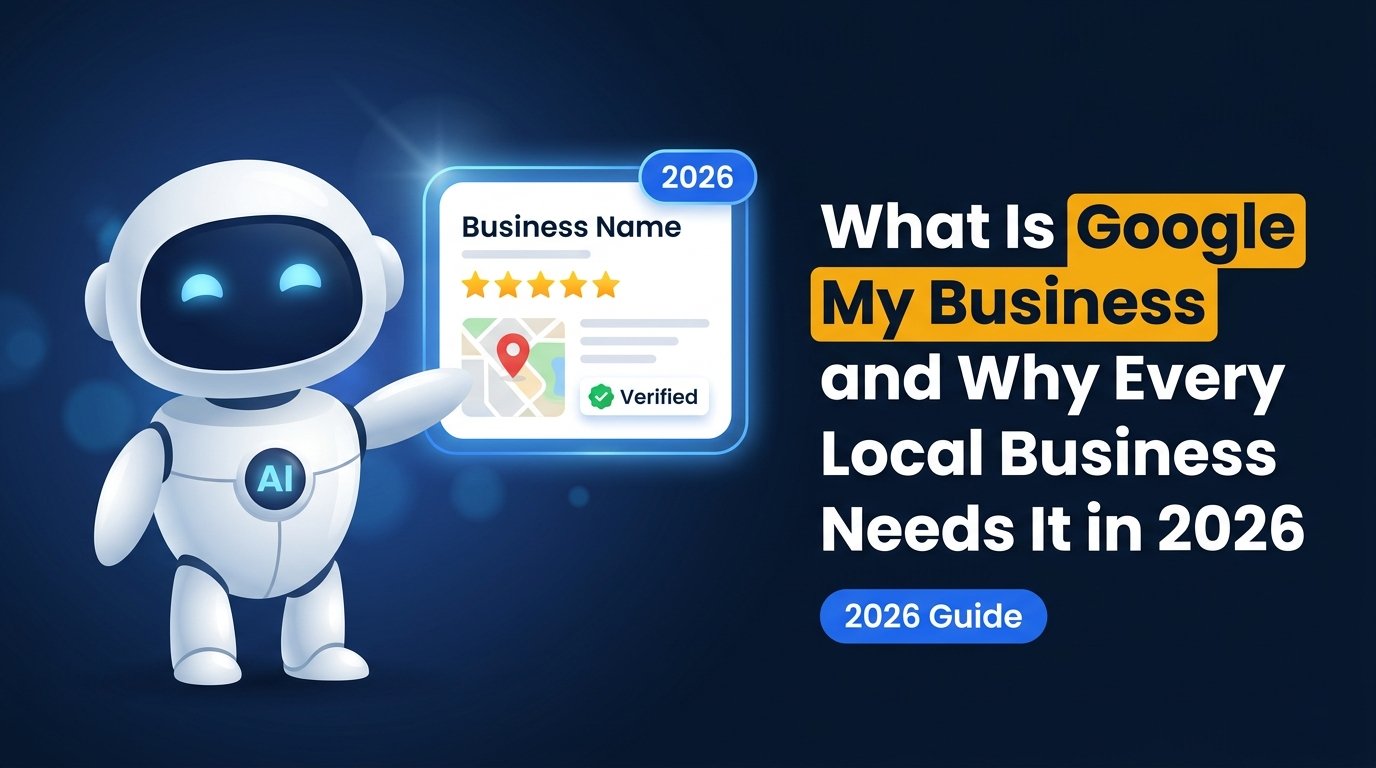
What Is Google My Business and Why Every Local Business Needs It in 2026
I still remember the call from a panicked café owner last spring. "We're invisible," she said. "People walk right past us looking at their phones." Turns out, her competitor down the street was pulling 3x the foot traffic—not because of better coffee, but because they'd claimed their Google Business Profile three months earlier. She hadn't even heard of it.
That's the thing about GBP in 2026: it's not optional anymore. It's the difference between existing in the physical world and existing in the digital discovery layer where 70% of local purchase decisions now happen. By the end of this guide, you'll know exactly how to set up, optimize, and leverage Google Business Profile to capture customers actively searching for what you sell—before they ever see your storefront.
The Pre-Flight Check: Are You Ready?
Before we dive into setup, let's confirm you have the basics locked down. You need three things:
- Consistent NAP data (Name, Address, Phone) across your website, social profiles, and any existing directories
- Admin access to your business's Google account (or the ability to verify ownership via mail/phone)
- A clear service/product list with pricing and keywords you actually use when talking to customers
Stop/Go Test: Can you describe your business category in one sentence without using jargon? If you said "We're a boutique lifestyle wellness experience hub," stop—that's not a category. "Yoga studio with retail" is. GBP doesn't reward vague positioning.
What GBP Actually Is (And Why It Matters More Now)
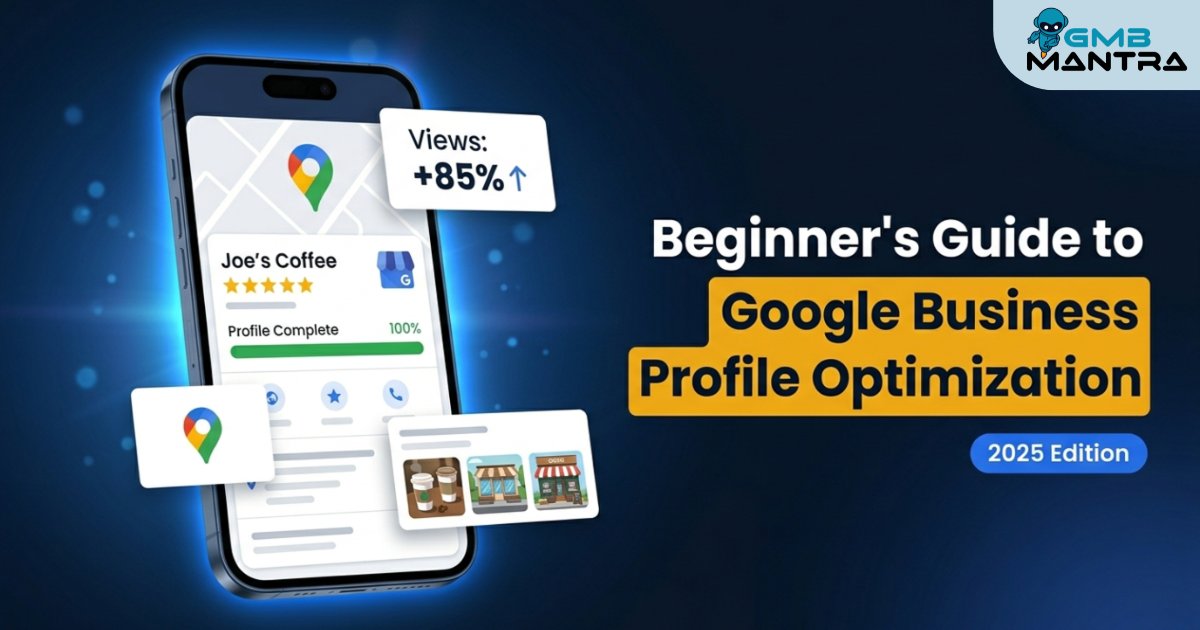
Google Business Profile—formerly Google My Business—is a free dashboard that controls how your business appears across Google Search, Maps, and increasingly, AI Overviews. Think of it as your storefront on the world's busiest street corner, except the street is a search result and the foot traffic is people with intent to buy right now.
Here's what changed in 2026: Google's AI-powered search summaries now pull heavily from GBP signals. If your profile is incomplete or stale, you're not just missing out on Maps visibility—you're excluded from the zero-click answers that dominate mobile searches. Active profiles with linked social channels, weekly posts, and response rates above 80% get prioritized in AI Overviews. Dormant profiles get buried.
The numbers back this up. Businesses that optimize their GBP see 2.7x more profile views than unoptimized competitors. Reviews alone boost click-through rates by 35%. And for service businesses, booking buttons (when properly configured) convert at rates that make paid ads look expensive.
Phase 1: Claiming Your Territory
The Directive: Search your exact business name on Google while logged into your business Gmail account. You'll see one of three scenarios:
- A SERP Panel appears with an "Own this business?" prompt
- A listing exists but shows "Claim this business"
- Nothing—you need to create from scratch
Visual Checkpoint: A correctly claimed profile shows a prominent knowledge panel on the right side of search results (desktop) or top of results (mobile) with your logo, star rating, and a blue "Edit profile" button inside the listing.
The Verification: After claiming, Google will offer verification via postcard, phone, or email. Choose phone if available—it's instant. You should receive a 5-digit code within 30 seconds. Enter it, and your SERP Panel will update to show "Verified" within 24 hours.
Expert Nuance: If you're managing multi-location businesses, stop here and switch to the Multi-Location API. Manual edits across 5+ locations trigger ghost suspensions because Google flags inconsistent update patterns as spam. I've seen chains lose entire regional listings because a well-meaning manager batch-edited hours across 20 stores in one afternoon.
Phase 2: The Optimization Stack
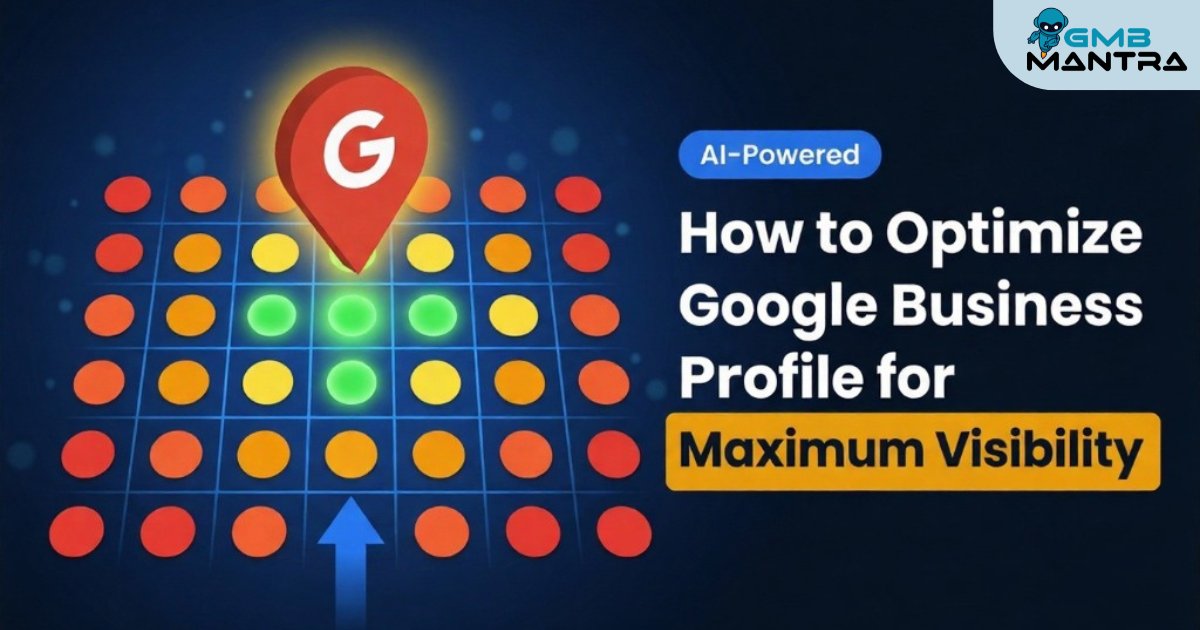
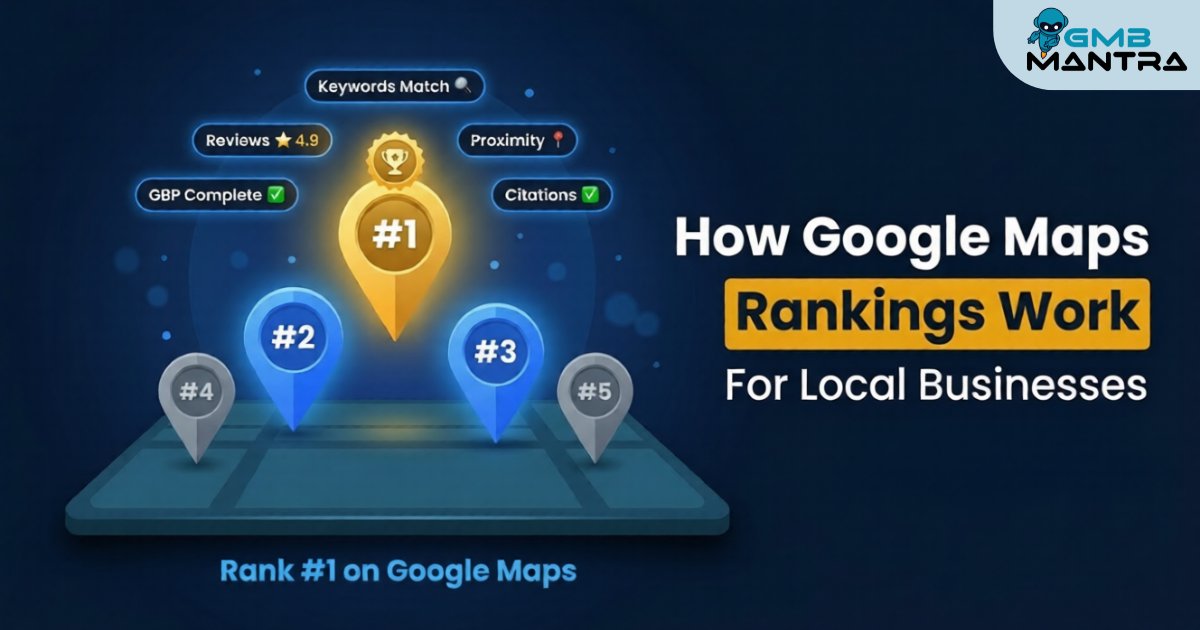
This is where most businesses leave money on the table. Basic setup isn't enough—you need to layer attributes, services, and content signals that feed Google's ranking algorithm.
Category Stacking
Select your primary category first (this is non-negotiable—get it right). Then add 2-3 secondary categories that expand your query match range. A dermatology clinic might stack "Dermatologist" (primary) + "Skin Care Clinic" + "Cosmetic Surgeon" to capture both medical and aesthetic searches.
The Weird Fix: If your booking button isn't appearing despite being in an eligible category (salons, healthcare, restaurants), try swapping your primary and secondary categories. The button trigger is category-dependent, and sometimes the algorithm misreads your intent.
Attribute Layering
Click into the "More" section and manually add every single amenity that applies. "Wi-Fi," "Wheelchair accessible," "Outdoor seating," "Accepts credit cards"—these aren't fluff. They're micro-ranking signals that push you into the Local Pack for niche searches like "coffee shop with outlets near me."
Visual Checkpoint: Your About tab should show 15+ attributes with icons. If you see fewer than 10, you're missing opportunities. Some attributes are category-locked, so if "Online appointments" isn't showing, revisit your category selection.
Service Editor Deep Dive
This is your keyword injection point. Don't just list "Haircut"—write "Women's Layered Haircut with Blowout - $85." The pricing and descriptive keywords help you rank for exact-match queries. I've seen salons jump from page 3 to the Local Pack by embedding terms like "balayage," "keratin treatment," and "bridal updo" into their service descriptions.
The Verification: Search a specific service you offer + your city (e.g., "balayage Denver"). Your GBP should appear in the Local Pack within 7-10 days of adding detailed services. If not, your descriptions are too generic.
Phase 3: The Content Engine
Google Posts are the most underutilized GBP feature. They're mini-blog updates that appear in your profile and feed into AI Overviews as "activity signals." Schedule one per week minimum—promotions, events, new products, or even just "We're open this holiday weekend."
Directive Steps:
- Open your GBP dashboard and click "Add update"
- Upload a high-res image (1200x900px minimum)
- Write 100-150 words with a clear CTA ("Book now," "Shop the sale")
- Add an action button linking to your booking page or product
Visual Checkpoint: Posts appear in the "Updates" tab of your profile and sometimes in the Shopping carousel if you've added products. They should show a thumbnail image and the first 2 lines of text.
Friction Warning: Posts expire after 7 days, so you need a recurring calendar. I use a simple spreadsheet with seasonal themes mapped out quarterly—holiday hours, summer specials, back-to-school promos. The businesses that treat this like social media (consistent, topical, visual) dominate their categories.
Phase 4: The Review Flywheel
Reviews aren't just social proof—they're ranking inputs. Google's algorithm weighs review velocity (new reviews per month), recency (when was the last one), and response rate (do you reply?).
The Strategy: Implement ethical review gating. After a positive interaction, send a follow-up email with a direct GBP review link. Don't ask everyone—just the customers who expressed satisfaction. This naturally filters out angry reviewers while boosting volume.
The Response Protocol: Reply to every review within 48 hours. Use the SERP Panel quick-reply feature (click "Respond" directly in search results) rather than navigating to the dashboard—it's faster and Google tracks response time.
Ghost Error Alert: If reviews suddenly stop appearing, you've likely triggered a soft spam flag. The fix: seed your Q&A Section with 5-10 preemptive questions and answers. This signals to Google that your profile is actively managed, not bot-farmed. Weird, but it works.
The Ugly Truth: What the Guides Don't Tell You
Let's talk about the failures that don't make it into official documentation.
The desktop-to-mobile URL friction that plagued 2023-2024 is mostly resolved, but multi-location sync remains a nightmare without API access. If you're managing more than 3 locations manually, expect edit conflicts and delayed updates.
The Timeline Reality Check
Week 1: Setup and verification. Your SERP Panel goes live within 24-48 hours of verification.
Weeks 2-4: Add attributes, services, and launch your first 4 posts. Local Pack entry typically happens within 2 weeks if your NAP is consistent across directories.
Month 2: Begin review collection and social linking. AI Overview inclusion compounds over 4-6 weeks as Google validates your activity signals.
Months 3-6: Full ROI hits—booking conversions, direction requests, and call volume should show measurable lift. Track this in the Insights Dashboard under "Customer Actions."
This isn't a "set it and forget it" tool. The profiles that win are the ones that treat GBP like owned media—updated, monitored, and optimized continuously.
> Take Your GBP Management to the Next Level > If you're managing multiple locations or drowning in review responses, GMBMantra automates the repetitive stuff—AI-powered review replies, bulk post scheduling, and sentiment analysis across all your profiles. We built it because manual GBP management doesn't scale past 3 locations without burning out your team.
FAQ: The Implementation Questions
How long until I see ranking improvements? Local Pack entry typically happens within 1-2 weeks of full optimization (categories, attributes, services). AI Overview inclusion takes 4-8 weeks as Google validates activity signals through posts and social links.
Why isn't my address showing in the Local Pack? If you toggled "Hide address" for a service-area business, you won't appear in proximity-based searches. The workaround: list a city center address as your service area hub and clarify "By appointment only" in your description.
Can I manage GBP without a physical location? Yes, but you must select "Service Area Business" during setup and define your coverage zones. You won't rank for "near me" searches, but you'll appear for city-specific queries like "plumber in Austin."
What's the fastest way to get more reviews? Create a direct review link (find it in your GBP settings under "Get more reviews") and embed it in post-service emails, SMS receipts, or printed invoices. Response rates jump 40% when you remove friction.
Why are my posts not showing up? Posts need manual approval if your account is new or recently flagged. Also, if you're not linking social profiles, Google may suppress posts as low-trust content. Connect Instagram and Facebook in settings to validate authenticity.
Look, GBP isn't sexy. It's not going to go viral or win design awards. But in 2026, it's the single highest-ROI marketing channel for local businesses because it intercepts customers at the exact moment they're ready to choose. Your competitors are either ignoring it entirely or doing the bare minimum. That's your opening.
Set it up correctly once, then commit to the weekly maintenance—posts, reviews, service updates. The businesses that win aren't the ones with the biggest budgets. They're the ones that show up consistently in the places customers are already looking. That's the whole game.