How AI-Powered Google Business Profile Optimization Increases Local Revenue
Three months ago, I was staring at a GBP performance dashboard that made zero sense. A client—a mid-size dental practice—had a fully completed profile, solid reviews, decent photos. And yet their Local Pack visibility had cratered. Direction requests dropped 35% in six weeks. No explanation in the standard metrics.
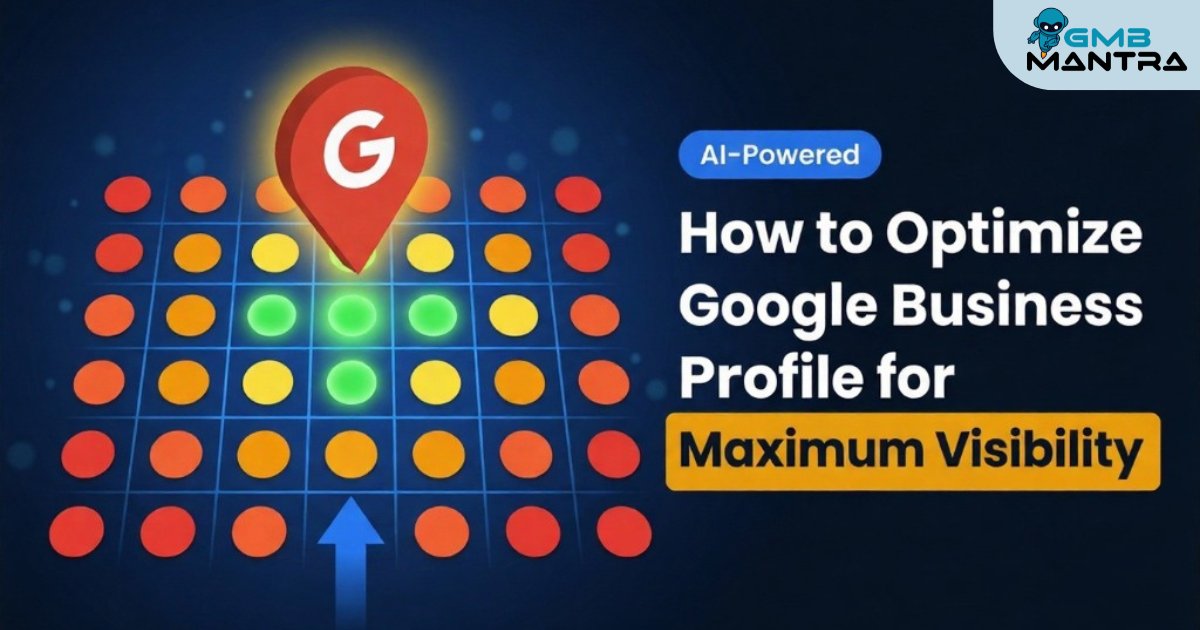
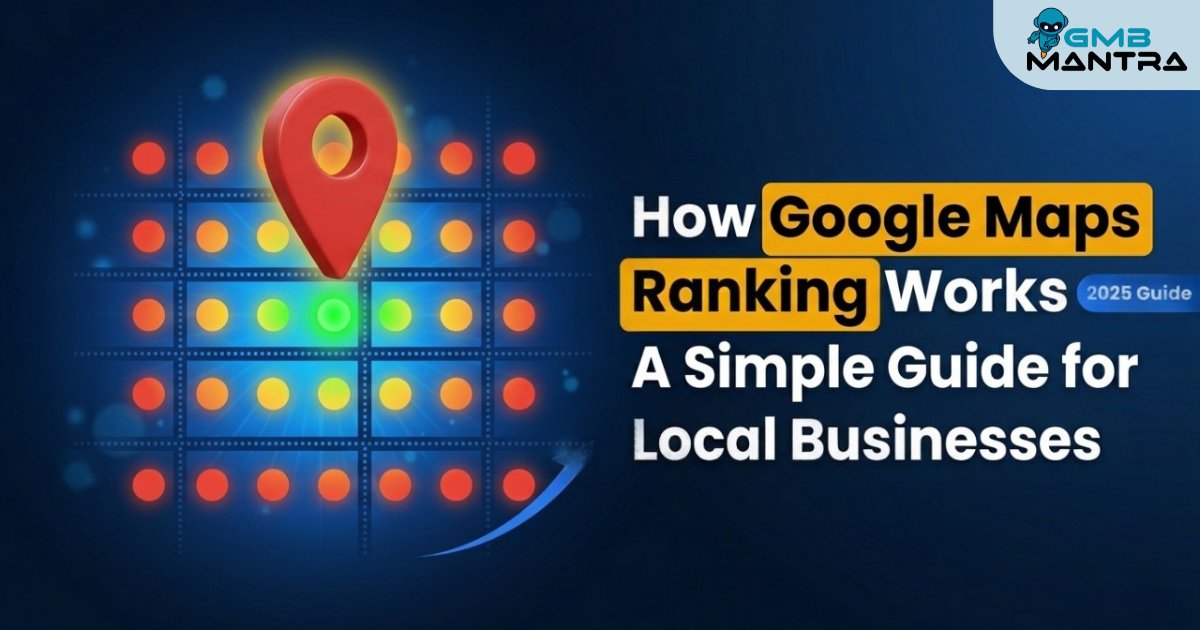
I ran a geo-grid analysis across 25 points around their location. Turns out, they were ranking top 3 at their pin drop but invisible two zip codes over—where most of their patients actually lived. The primary category was slightly off. Service areas hadn't been updated in over a year. And their review velocity had flatlined because nobody was responding to reviews consistently.
That's when I started leaning hard into AI-powered automation for GBP management. Not the hype-cycle version of "AI." The practical kind—sentiment analysis on incoming reviews, smart post creation tied to hyperlocal content, and performance dashboards that actually surfaced growth insights instead of vanity metrics.
Here's your reader promise: By the end of this guide, you'll know exactly how to set up, optimize, and monitor your Google Business Profile using AI-driven workflows that directly increase local revenue—and you'll know which mistakes silently kill your visibility.
Before You Start: The Pre-Flight Check
You need three things locked down before any of this matters:
- A claimed and verified GBP (look for the green "Verified" badge on your dashboard).
- Consistent NAP data across at least your top 20 directory listings. One mismatch and AI trust erodes fast.
- Access to a geo-grid tracker and a tool that handles AI review responses and post scheduling.
Stop/Go test: Can you log into your GBP dashboard right now and confirm your primary category exactly matches what customers search for? If not, stop here and fix that first.
Phase 1: Get Your Structured Data Signals Right
This is the foundation everything else sits on. Google's AI uses structured data signals from your GBP to decide whether you're even eligible for the Map Pack—let alone ranked in it.
Do this:
- Audit your primary category. Be ruthlessly specific. "Restaurant" loses to "Vietnamese Restaurant" every time in entity-based filtering. AI demotes vague categories in voice queries.
- Stack your business attributes. I'm talking 10+ relevant ones—wheelchair accessible, women-led, free Wi-Fi, whatever applies. Businesses missing attributes lose roughly 25% of niche queries because AI can't match them to filtered searches.
- Fill out every single service with descriptions. Stale services signal AI irrelevance.
Visual checkpoint: When you view your profile in search, you should see your specific category displayed, all attributes visible under the "About" tab, and services listed with descriptions.
Verification: Search "\[your service\] near me" from 5 different locations using a geo-grid tool. If you're in the top 3 Local Pack results at most points, you're good. If you're below the fold at more than half—your categories or attributes need work.
Friction warning: 70% of unoptimized profiles miss AI eligibility entirely due to incomplete data. That's not a small gap. That's most businesses.
Phase 2: Build Review Velocity With AI Review Responses
Here's something that doesn't get said enough: reviews aren't just social proof. They're prominence signals. Google's AI weighs review velocity—the rate of new reviews over time—when deciding Local Pack rankings. Businesses maintaining 4.5+ stars with consistent velocity see 2.7x higher conversions.
Do this:
- Respond to every single review within 24 hours. Every one. Positive, negative, weird—all of them.
- Use AI-powered sentiment analysis to categorize incoming reviews and generate personalized responses. This isn't about being lazy. It's about consistency at scale. (I know, "AI responses" sounds impersonal, but modern sentiment analysis tools craft replies that actually address what the reviewer said—not generic "Thanks for your feedback!" nonsense.)
- Set up smart alerts so you know immediately when a negative review drops. Response gaps longer than 48 hours actively hurt your prominence.
Visual checkpoint: Your GBP insights should show a 100% response rate. Review count should be climbing steadily week over week—not spiking and stalling.
Verification: Check your star rating trend over 30 days. If it's stable or rising with increasing review count, velocity is healthy. If reviews have dried up, you've got a prominence problem brewing.
Phase 3: Hyperlocal Content Through Smart Post Creation
GBP posts are criminally underused. Most businesses either ignore them or post generic promotions that get zero engagement. Here's what actually works: hyperlocal content that references specific neighborhoods, landmarks, local events, or seasonal context.
Do this:
- Post at minimum once per week. Consistency matters more than perfection.
- Tie posts to local happenings—"Serving the Oak Park community during the Riverside Arts Festival this weekend" beats "Check out our summer specials" every time.
- Use smart post creation tools that suggest topics based on trending local searches and your own performance data. The AI should be pulling from your growth insights to recommend what to post about.
- Include a clear call-to-action in every post. "Call now," "Book online," "Get directions."
Visual checkpoint: In your GBP insights, post impressions should be trending above 1K weekly. Posts engagement—clicks, calls from posts—should be measurable, not zero.
Verification: After 4 weeks of consistent posting, check if direction requests and calls have increased by at least 20%. The data from optimized profiles shows 42% more direction requests and 29% higher calls are realistic targets over time.
If you've got a Merchant Center feed, link it now. Products displayed in local searches get significantly more engagement, and seasonal GBP posts mentioning specific inventory items trigger AI-powered product visibility.
> Automate the Grind So You Can Focus on Growth If managing weekly posts, review responses, and performance tracking across locations sounds like a full-time job—it kind of is. We built GMBMantra to handle AI review responses, smart post creation, and sentiment analysis from a single dashboard, with growth insights and smart alerts that tell you what's actually moving the needle. Worth checking out if you're serious about scaling local revenue without scaling headcount.
Phase 4: Monitor With a Real Performance Dashboard
You can't optimize what you don't measure. And GBP's native insights are... fine. But they don't show you geo-grid performance, competitor movement, or keyword heatmaps.
Do this:
- Run geo-grid tracking monthly at minimum. Single-point rank checks miss 50% of opportunities.
- Set up competitor GBP alerts. When a competitor suddenly gains review velocity or adds new attributes, you need to know.
- Watch for trend visualization in your analytics—are calls climbing? Are direction requests seasonal? Where's the drop-off?
Visual checkpoint: Your dashboard should show a service area heatmap expanding beyond your pin location, with clear trend lines for calls, directions, and search views.
Verification: Compare month-over-month metrics. A healthy, AI-optimized GBP shows compounding results—initial visibility gains in 2-4 weeks, Local Pack positioning in 1-3 months, and measurable revenue lift in 3-6 months.
The Ugly Truth: What Breaks and Nobody Talks About
Problem
The Weird Fix
Source
Profile invisible in Local Pack despite full optimization
Swap to hyper-specific secondary categories; test across 25+ geo-grid points
Practitioner forums
AI summaries completely ignore your business
Post weekly updates referencing neighborhood landmarks to retrain entity signals
Community-tested
Sudden ranking drops with no profile changes
Review velocity stalled or competitor spiked—set alerts and respond to all reviews with AI-assisted prompts
Geo-grid tracking data
Voice queries skip your profile entirely
Add all possible attributes and verify via postcard for AI trust scoring
GBP documentation
FAQ
How long before AI-powered GBP optimization shows revenue results?
Expect initial visibility improvements within 2-4 weeks of verification and optimization. Local Pack gains typically appear in 1-3 months. Measurable revenue lift—20-50% increases in calls and direction requests—compounds over 3-6 months with consistent posting and review management.
Is GBP AI optimization worth it for small businesses?
Absolutely. Optimized profiles drive up to 70% of local search traffic through Maps and Local Pack results. Small businesses with complete attributes, consistent reviews, and weekly posts see disproportionate gains because most competitors aren't doing this work. The ROI compounds fast when you automate GBP management with AI tools.
Why does my GBP rank well at my address but nowhere else?
You're likely only checking from one point. Use geo-grid tracking to test 25+ locations across your service area. Expand your service areas in GBP settings and post hyperlocal content targeting those neighborhoods where AI-driven local search ranking currently drops off.
How do I fix low review velocity without being spammy?
Use AI-powered review response tools to maintain 100% response rates within 24 hours. This signals prominence to Google's AI. Pair it with in-store or post-service prompts. Businesses that let review velocity stall see prominence drop by roughly 30%.
So—where does your GBP actually stand right now? Run a geo-grid check this week. Audit your attributes tonight. And if you want the AI automation layer handling review responses, post creation, and performance tracking from one dashboard, GMBMantra's built for exactly that.